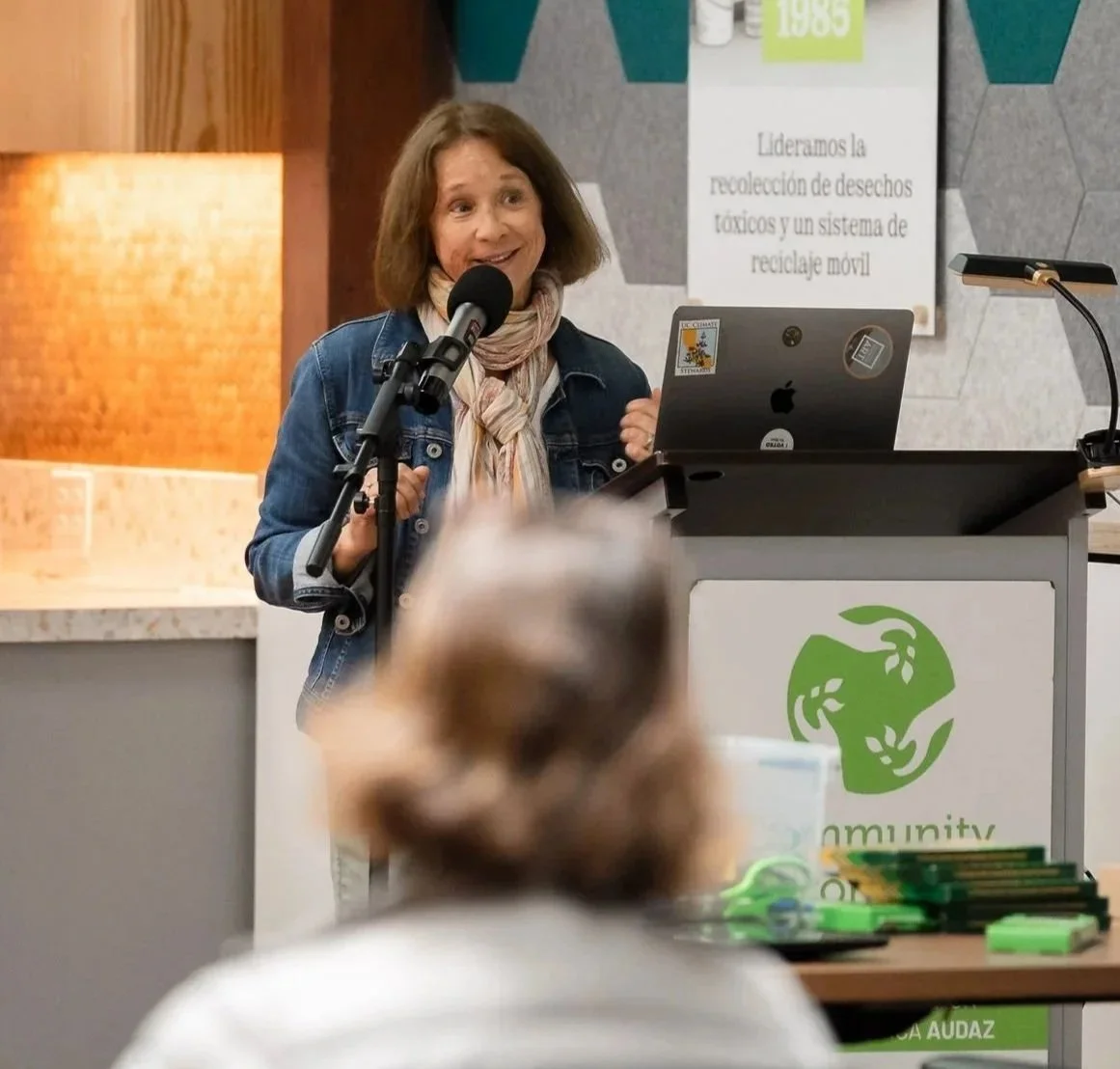
Kathi King speaking at a Climate Stewards Alumni Gathering.
Looking back with Climate Stewards instructor Kathi King
When Kathi King welcomed the first 10 participants to the Community Environmental Council’s (CEC) Climate Stewards Course in January 2021, she wasn’t entirely sure what to expect. The program was new, the format was virtual, and she was helping pioneer a different approach to climate education — one that made room for the emotions surrounding climate change alongside science.
Five years and more than 250 graduates later, that experiment has grown into a network of Central Coast residents bringing climate action into classrooms, city halls, food banks, gardens, workplaces, and even dinner-table conversations.
As CEC celebrates five years of Climate Stewards, Kathi, CEC’s Senior Education and Outreach Director, reflects on how the program began, what she’s learned from participants and why the next chapter matters.
How It All Began: A new model for community-powered climate action
Kathi and CEC CEO Sigrid Wright had been searching for a program like Climate Stewards for years. They wanted to bring climate education beyond traditional environmental circles and give everyday people the knowledge, skills, and confidence to take action.
Then, in 2019, Sigrid attended a conference and struck up a conversation with staff from the University of California Agriculture and Natural Resources (UC ANR), who were developing a climate-focused counterpart to the California Naturalist Certification Program.
CEC quickly signed on, and after a pandemic-driven shift to virtual instructor training, launched its first course in January 2021.
“The first Climate Stewards cohort was almost like a focus group. I was constantly checking in to see if what I was teaching made sense, and I had some imposter syndrome,” said Kathi. “But I also felt a deep responsibility to create a space where they could face the challenges of climate change together, find hope in their community, and graduate feeling ready to do something about it.”
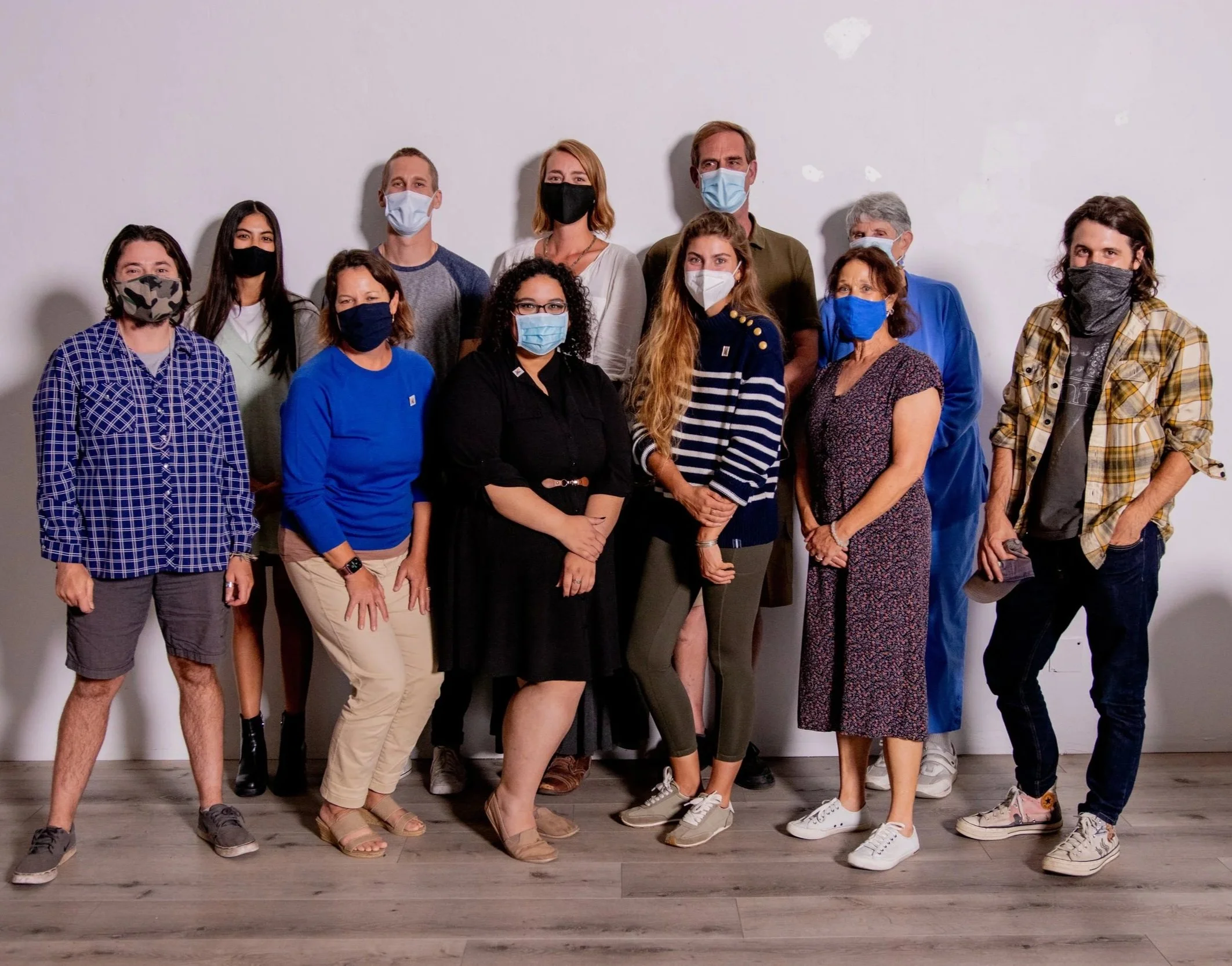
Kathi King with the very first Climate Stewards cohort, which launched in January 2021.
16 cohorts later, Climate Stewards has grown into an eight-week, UC-certified course combining climate and behavioral science with reflection, hands-on learning, and community-powered action. Participants explore the causes and impacts of climate change, learn how to communicate about them, and develop a stewardship project around an issue they care about.
Making Space for Hope and Action
"There's a deep sense of relief in having space to grieve, to share what we've been carrying, and to realize we're not alone in these feelings," Kathi said. "This isn't easy work. Choosing to show up and talk about it is harder than looking away, and I want to honor that."
One of the program’s defining features has been part of the curriculum from the beginning: Climate Stewards opens not with carbon cycles or emissions data, but with two full sessions on the behavioral side of climate change — eco-psychology, trauma awareness, communication strategies, and climate grief.
In the early cohorts, some participants were surprised by that approach. They wanted to dive straight into the science and wondered why they were being asked to share their feelings first.
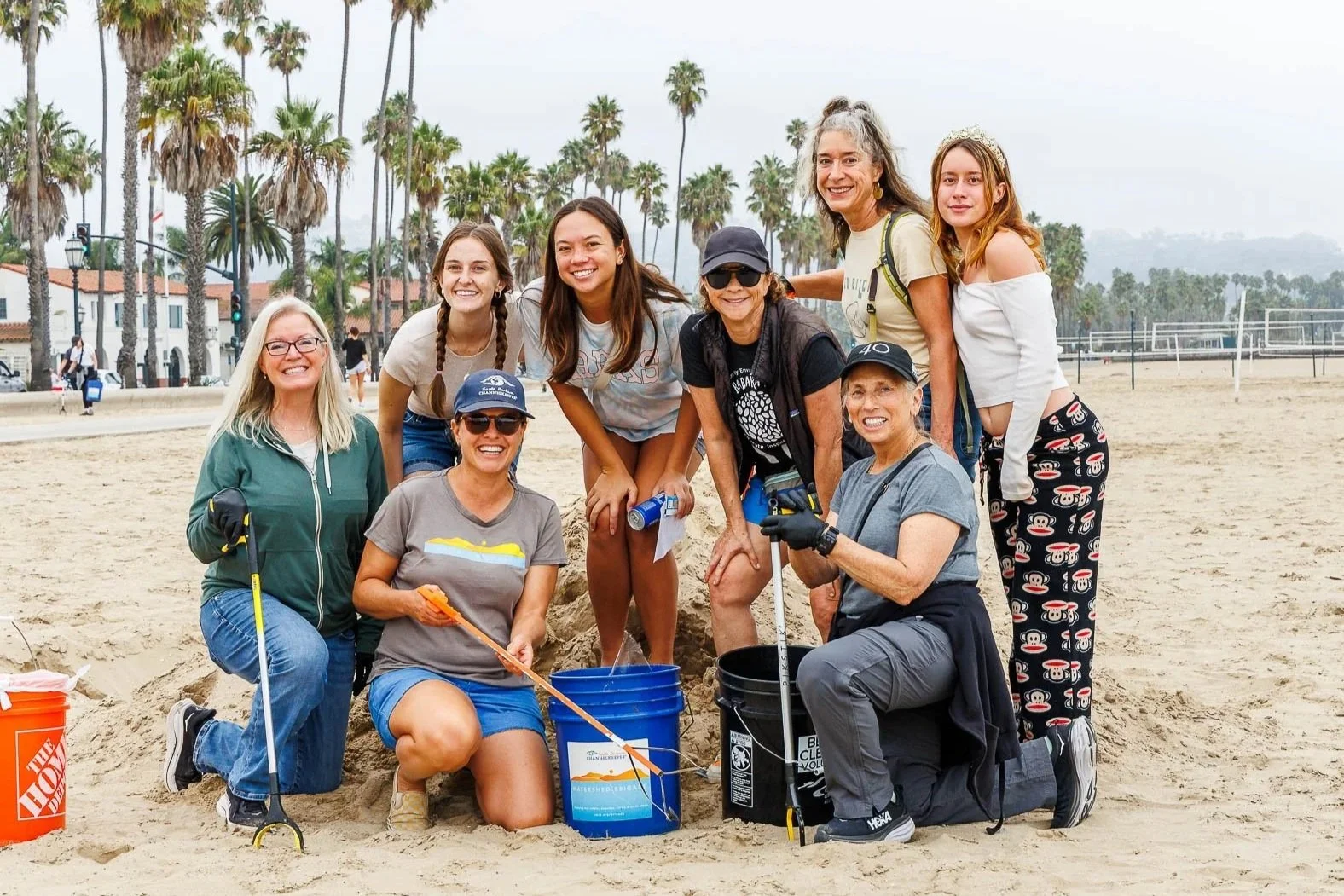
Kathi King with members of the Fall 2025 Climate Stewards cohort at Coastal Cleanup Day at West Beach in Santa Barbara.
Over the past five years, Kathi has watched that reaction shift. As more people experience the impacts of climate change — from wildfires and flooding to smoke-filled summers — they arrive with a deeper understanding of its personal and emotional dimensions. Now, when Kathi previews the curriculum on night one, participants nod along.
Rather than pushing their feelings aside, they’re learning to acknowledge them, find strength in one another, and turn that energy toward a more grounded question: What can we actually do?
The balance between acknowledging the hard parts and finding reasons to keep going carries through the rest of the program. Kathi pairs difficult conversations about the future of the planet with opportunities to reconnect with the places participants are working to protect. Field trips have taken Climate Stewards from coastal cleanups and native habitat restoration projects to local gardens, preserves, and waste management facilities, grounding their learning in the Central Coast,
“Climate work can be demanding, but it can also be restorative,” Kathi said. “Spending time outdoors, working alongside others who care, and seeing tangible progress can turn an overwhelming global crisis into something community members feel excited to engage with.”
Climate Leadership Beyond the Classroom
Kathi King with guerilla gardeners Diego Magaña and Solimar Gutierrez, and Climate Stewards alumni Miranda Magaña and Cody Howen at a gathering focused on grassroots environmental action in Oxnard.
Every Climate Steward develops a stewardship project, putting their knowledge and skills to work on an issue they care about. Five years later, those projects demonstrate just how many forms of climate leadership can take.
Climate Stewards alumni Miranda Magaña and Cody Howen connected through the program and collaborated on a project amplifying grassroots environmental action and native gardens in Oxnard. Jamie Collins brought climate education into her leadership at Girls Inc. of Carpinteria, helping young people see their own role in building a more resilient future. And Phil and Lora Clarke have worked to advance sustainability within their retirement community, from waste reduction to cleaner transportation.
These are just a few examples of how Climate Stewards are bringing climate action into their existing relationships, professions, and communities. Other alumni have led habitat restoration efforts, organized around local environmental issues, brought climate education into schools and workplaces, and advocated for changes in local and state policy.
"We can’t solve a crisis this size alone, and we weren’t meant to.” Kathi said. “Every steward sees through a different lens, moves through different circles, and reaches new people. Weave all of that together and it becomes a living web of climate action, stretched across an entire region."
Increasingly, their involvement extends beyond a single project. Alumni return as teaching assistants, lead activities at CEC events, facilitate Youth Climate Workshops, and continue collaborating with one another to drive solutions forward.
For Kathi, watching those connections grow has been one of the most rewarding parts of teaching the program.
The Next Five Years
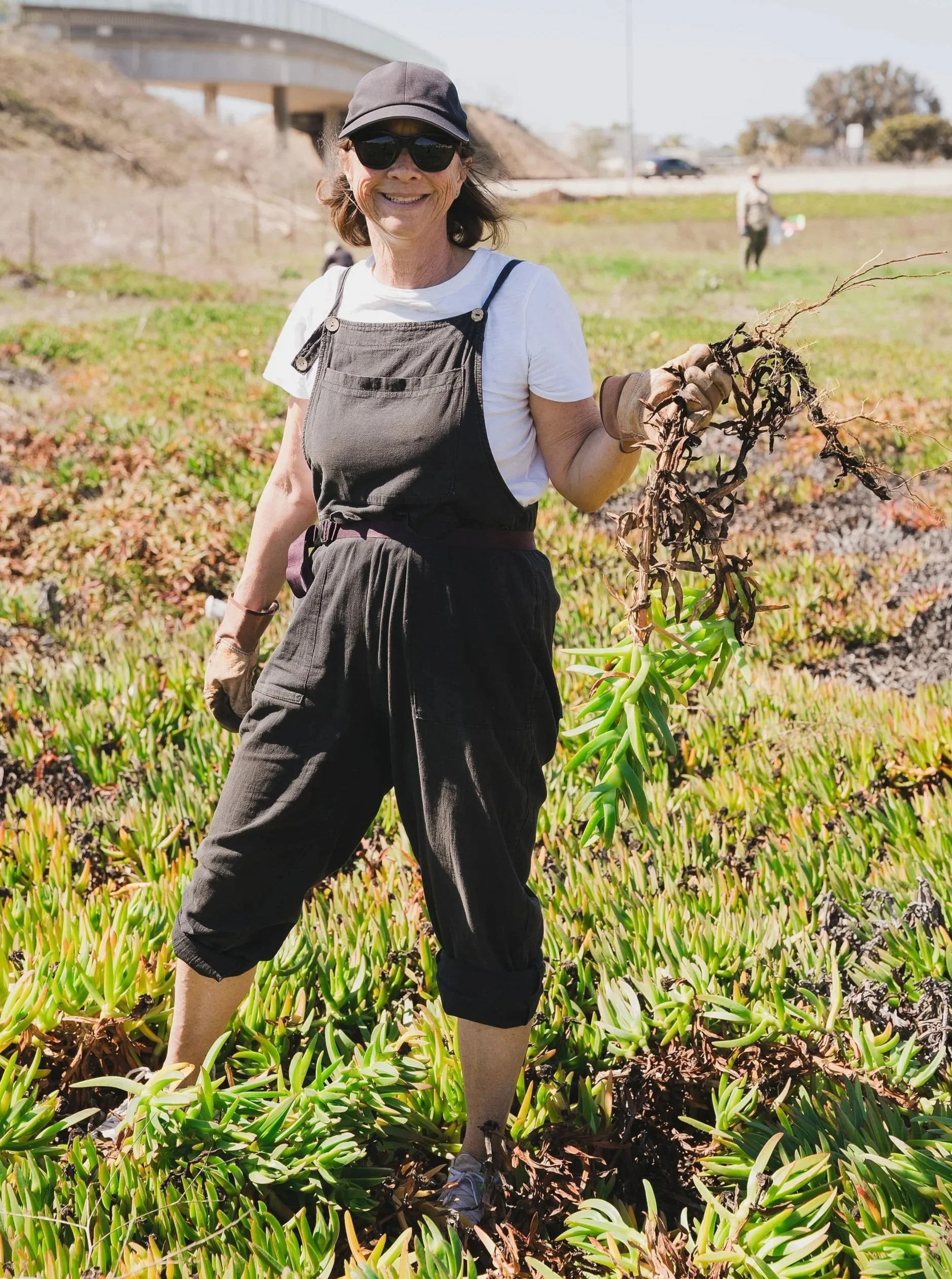
Kathi King during a Climate Stewards field trip to the Oxnard Nature Preserve.
What began as a small pilot course has become a community that continues long after graduation. CEC helps alumni stay connected through gatherings, newsletters, volunteer opportunities, and invitations to collaborate on new projects.
The program is evolving in other ways, too. High school students became eligible for certification in 2025, and K-12 teachers can qualify for a full Climate Stewards scholarship. Kathi continues looking for ways to make the course more accessible while preserving the depth of learning and connection that makes it so meaningful.
For her, the next chapter is about reaching more people who may not yet see themselves as part of the climate movement and helping them recognize the difference they can make.
"Five years ago, we were just hoping this concept would work," Kathi says. "Now I look at 250 people who've gone through the program, and I see 250 different doorways into the climate conversation — a classroom, a corporate meeting, a holiday dinner table. My hope for the next five years is that we keep opening more of those doors.”
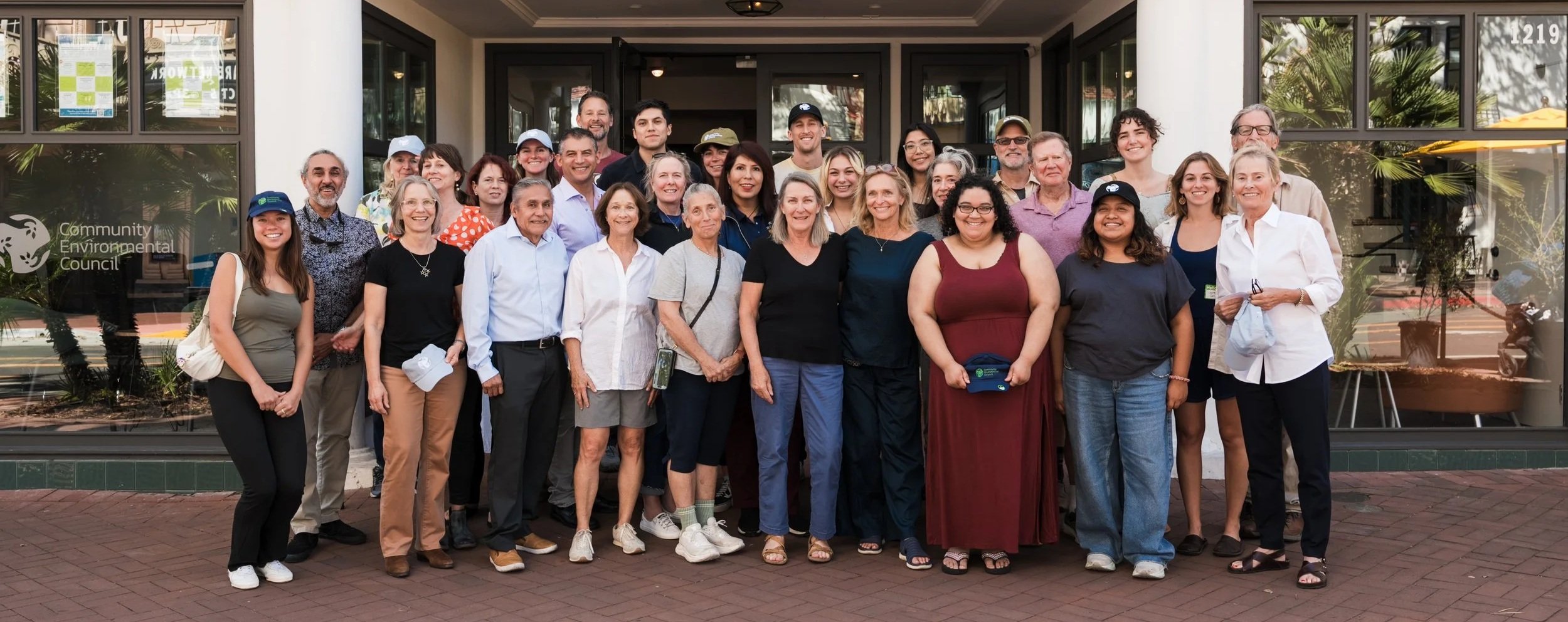
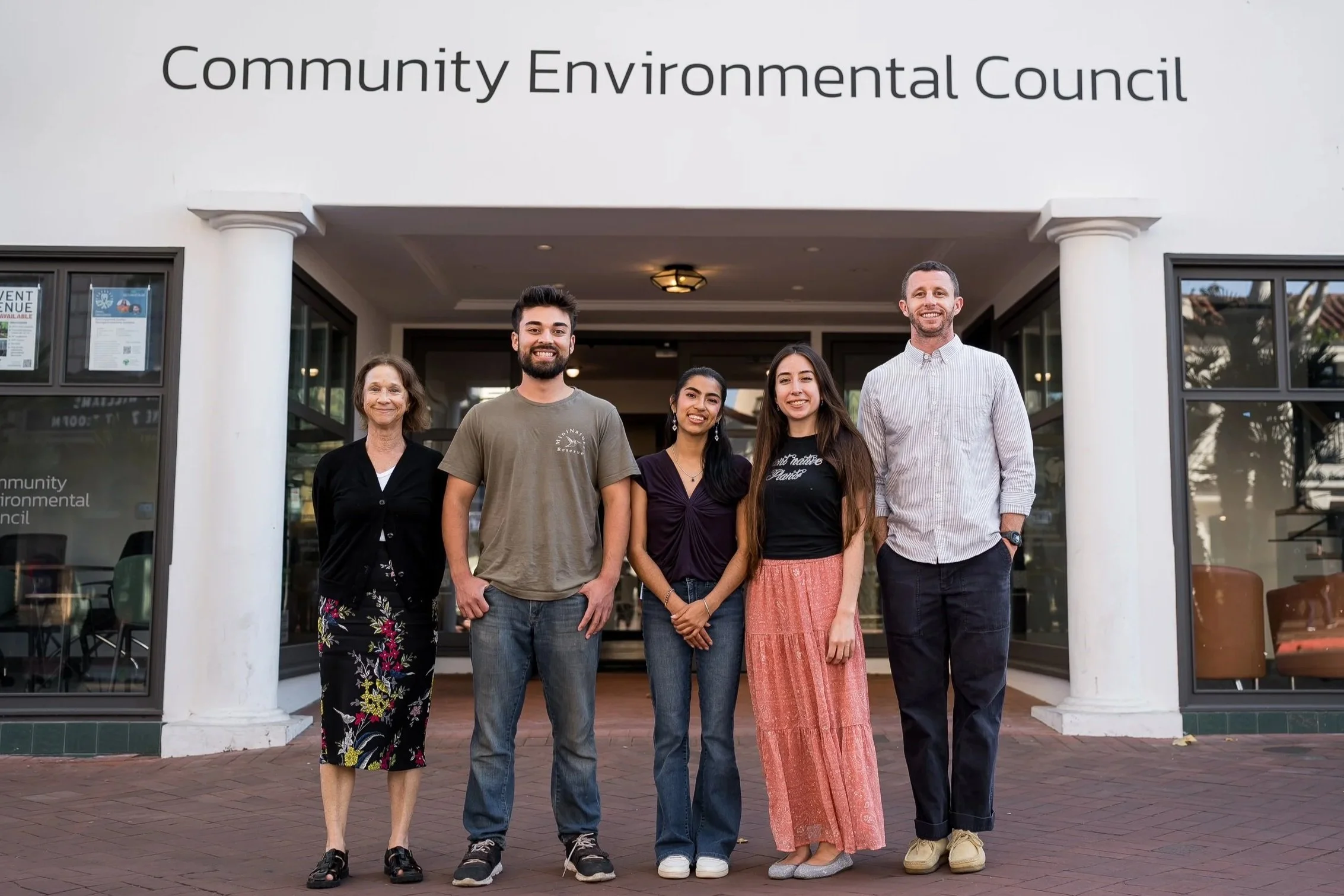
The Climate Stewards community gathered outside CEC’s Environmental Hub after an alumni gathering in October 2025.
